




Vape Guides · 6 min
MTL, RDL or DL: Which Draw Style Suits You?
MTL, RDL or DL: ohm, watts, airflow, e-liquid and nicotine strength compared by draw style, and which pod system or tank suits your draw.
Black November until 22/11 See the deals New in 200 g: Anda Bestia Blanca, Hookain Witch Please To new arrivals
Black November until 22/11 See the deals RandM Tornado 7000: volume discount from 5 bottles To liquids
Nicotine salt is nicotine bound to an acid. At the same strength it scratches the throat less, which is why it is used in pods with 10 or 20 mg/ml. Freebase is the unbound form and is used in low strengths in open devices.

Both e-liquids contain the same nicotine. The difference lies in the chemical form and therefore in the pH value. You notice it mainly in your throat, the so-called throat hit. The amount of nicotine per millilitre is stated on the label in the same way for both.
| Feature | Freebase | Nicotine salt |
|---|---|---|
| Form | Unbound nicotine | Nicotine bound to an acid |
| pH value of the e-liquid | alkaline | lower, closer to the neutral range |
| Throat hit at the same strength | pronounced, rises with strength | softer |
| Usual strengths | 3, 6, 12 and 18 mg/ml | 5 to 20 mg/ml, mostly 10 or 20 |
| Typical device | Atomisers and box mods, MTL to DL | Pod systems and prefilled pods, MTL |
| On the label | usually without any addition | Nicotine salt, nic salt or salt |
Freebase is the classic form of nicotine in e-liquid. The nicotine is present in its free form and the e-liquid is alkaline. The higher the strength, the harder it scratches the throat. That is why freebase e-liquids usually range between 3 and 12 mg/ml, more rarely 18 mg/ml.
In an atomiser with low resistance, a lot of e-liquid is vaporised with every puff. There you use freebase in a low strength, often 3 or 6 mg/ml. E-liquids such as Vampire Vape with 6 or 12 mg/ml are classic freebase e-liquids in the 10 ml bottle.
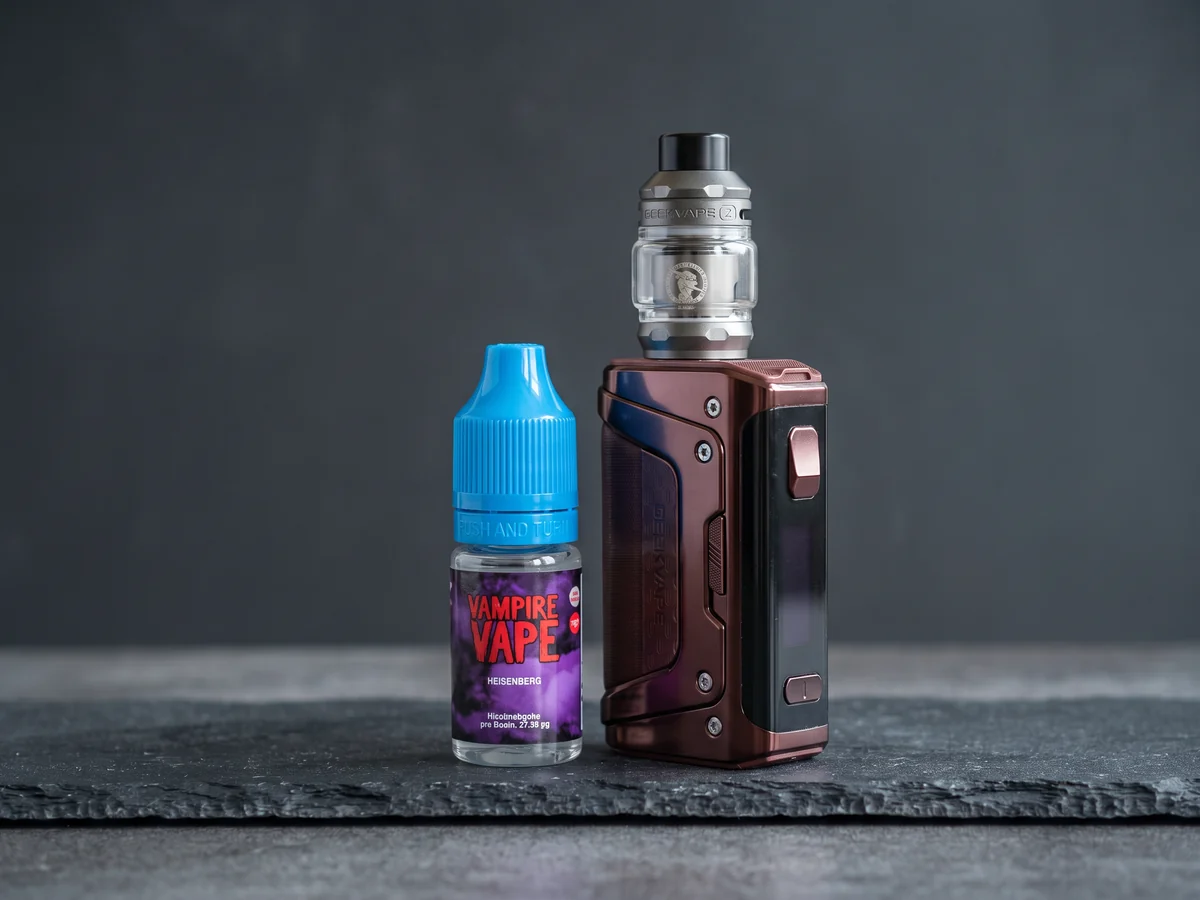
With nicotine salt, the manufacturer binds the nicotine to an organic acid, usually benzoic acid, more rarely lactic acid or levulinic acid. It has nothing to do with table salt. The acid lowers the pH value, and the e-liquid feels clearly softer in the throat at the same strength.
This is the only reason 20 mg/ml in a pod does not scratch too much. Nicotine salt appeared around 2015 with the first pod systems and is now the standard in pods and prefilled pods. You can find out more in the article ElfliQ nicotine salt e-liquids.
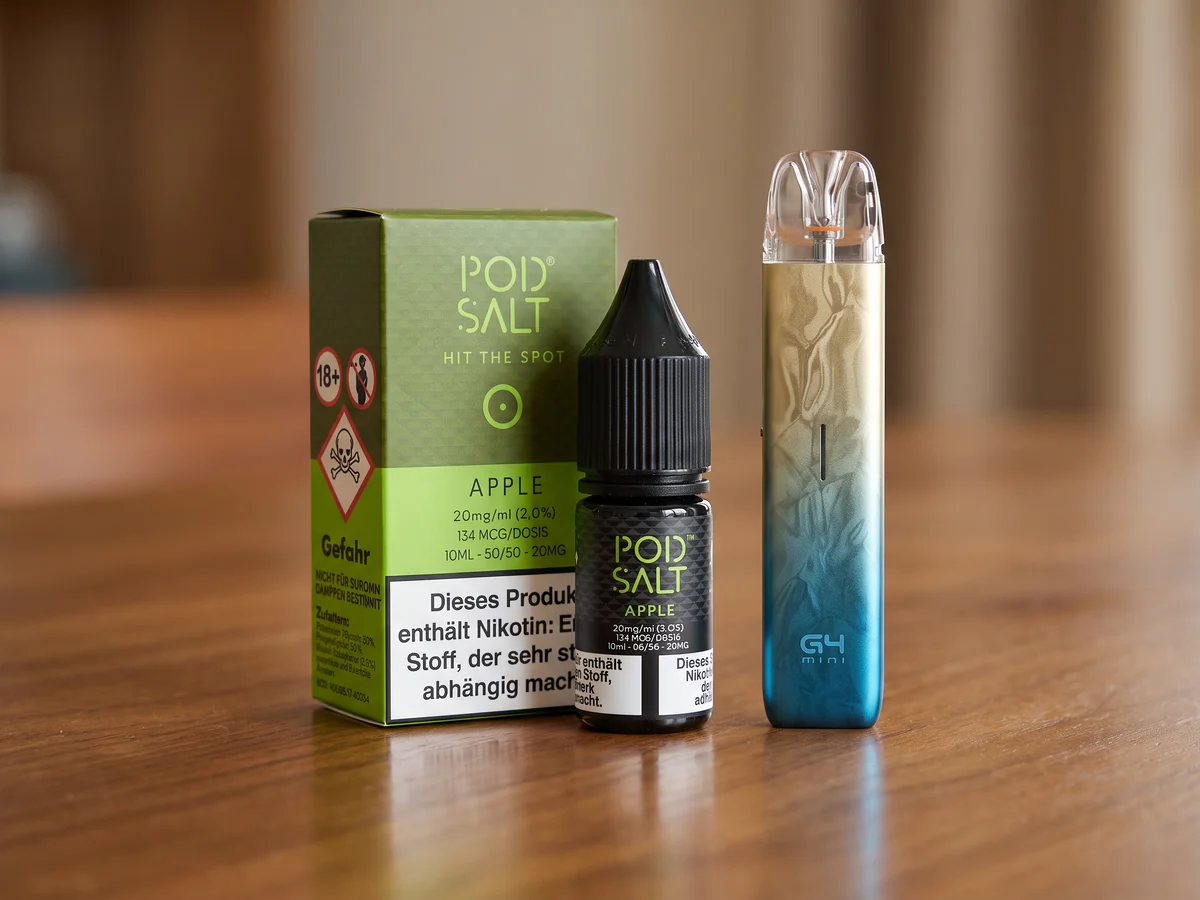
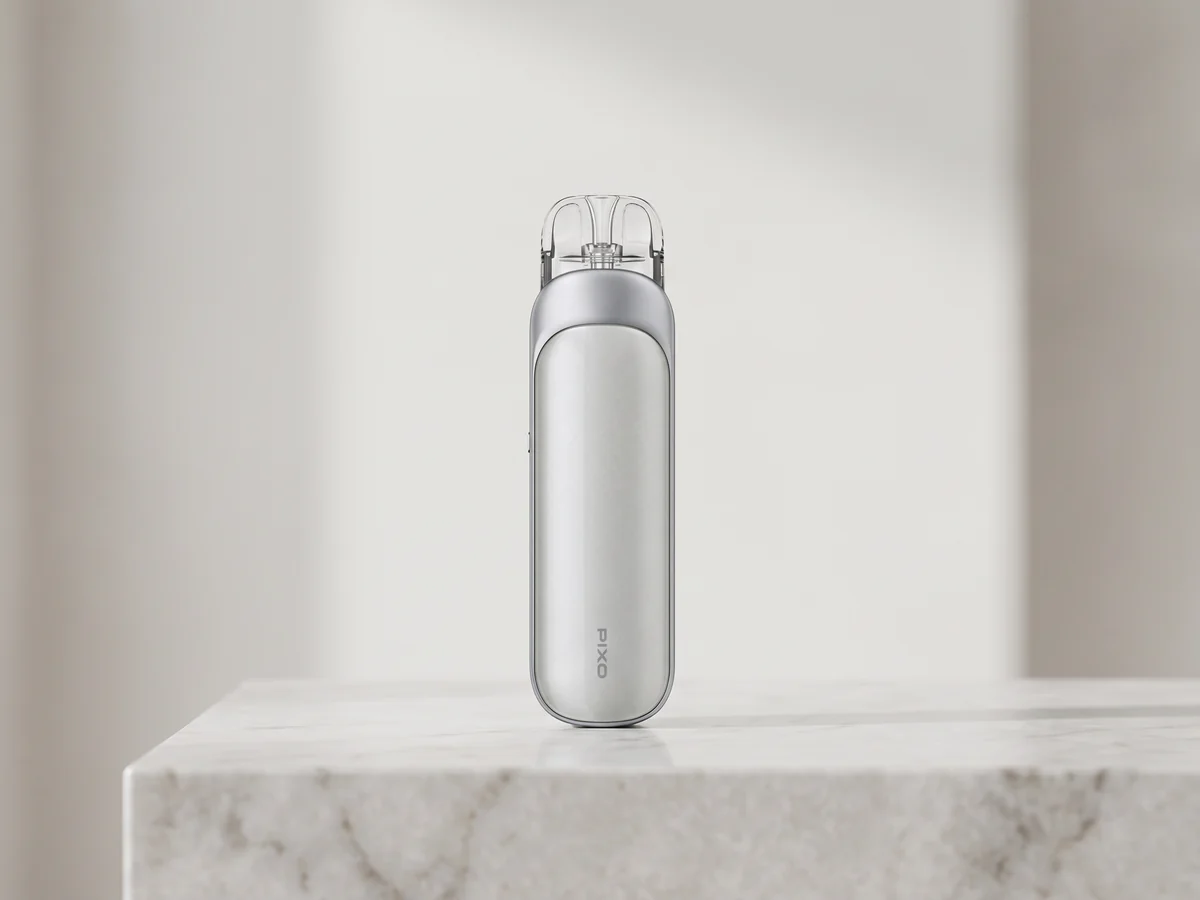
What matters is how much e-liquid your device vaporises per puff. That depends on the resistance of the coil and on the power. The table shows the usual pairing.
For nicotine salt with 10 to 20 mg/ml.
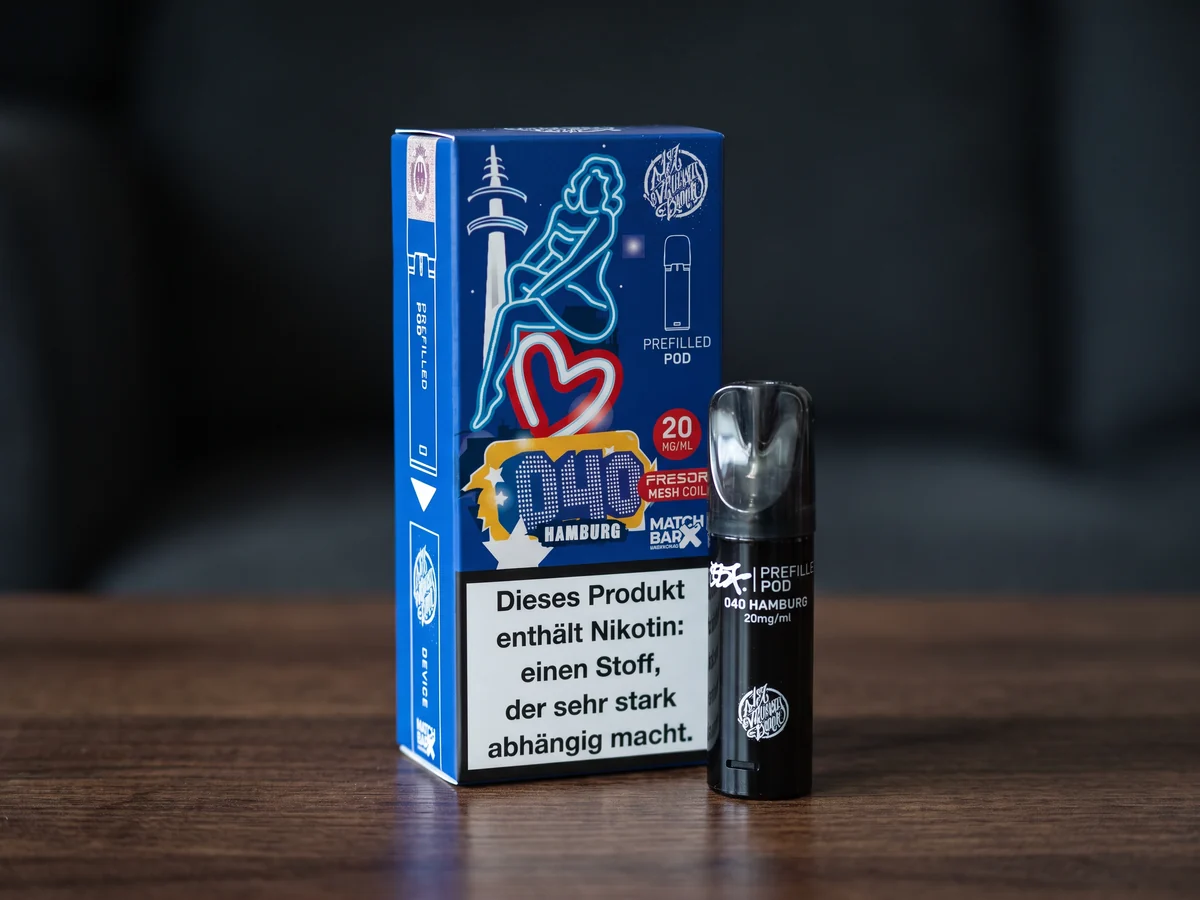
Usually filled with nicotine salt at the factory.
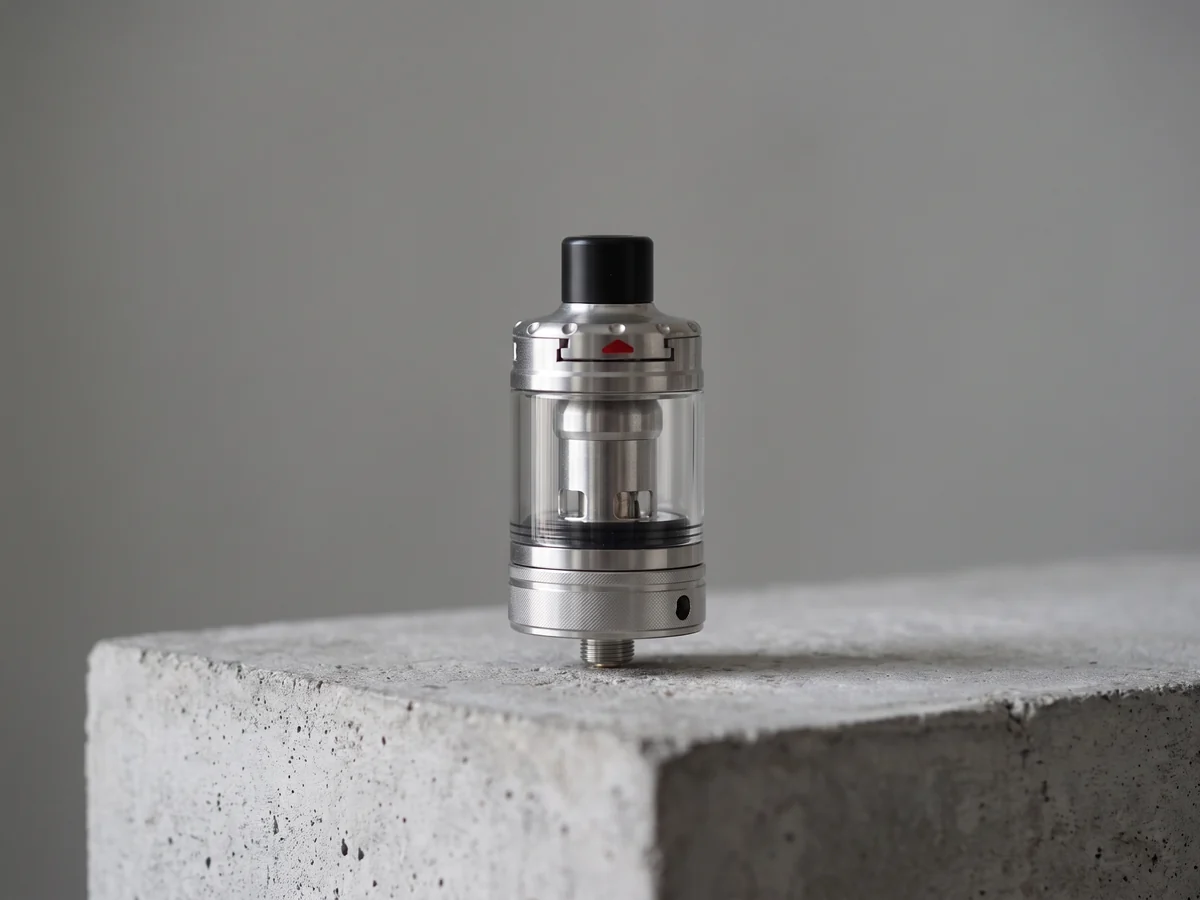
Freebase or salt in a medium strength.
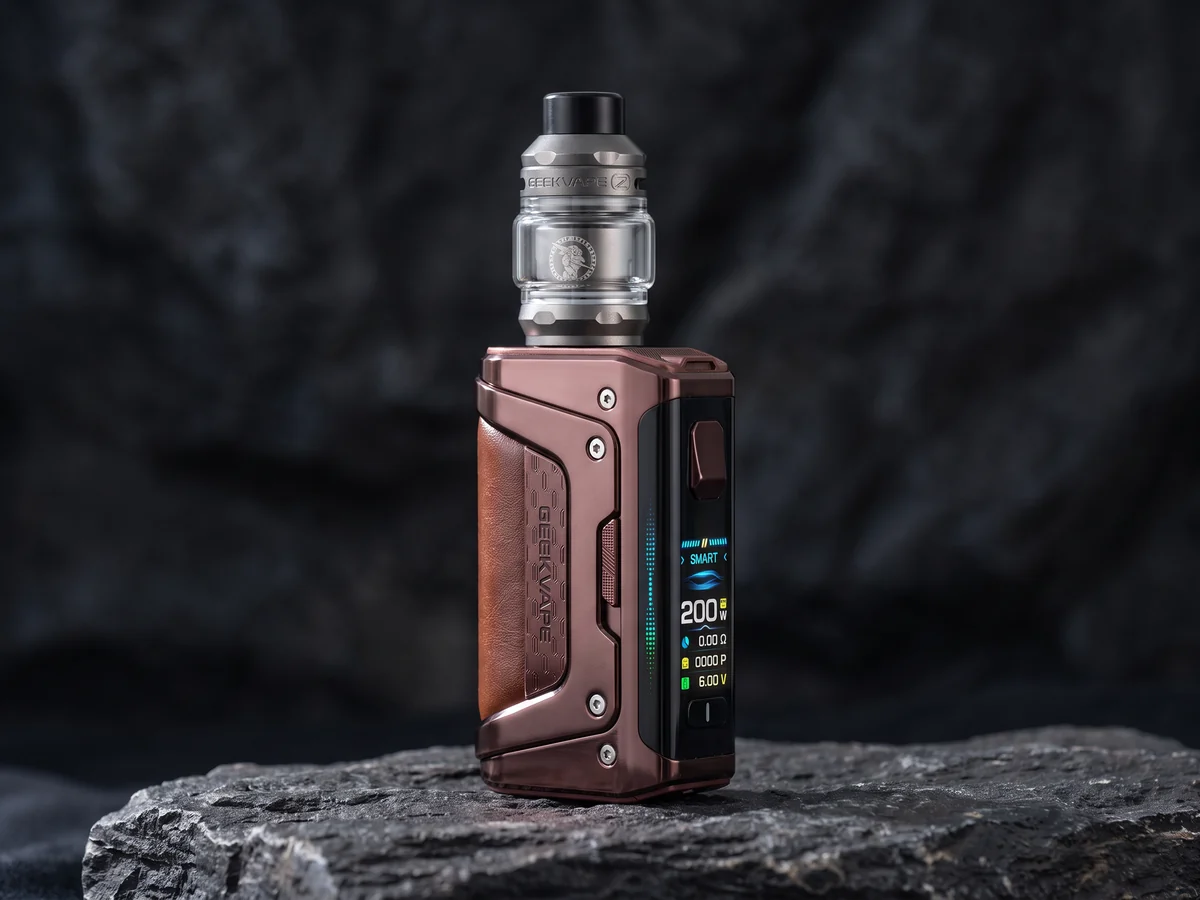
Freebase in a low strength.
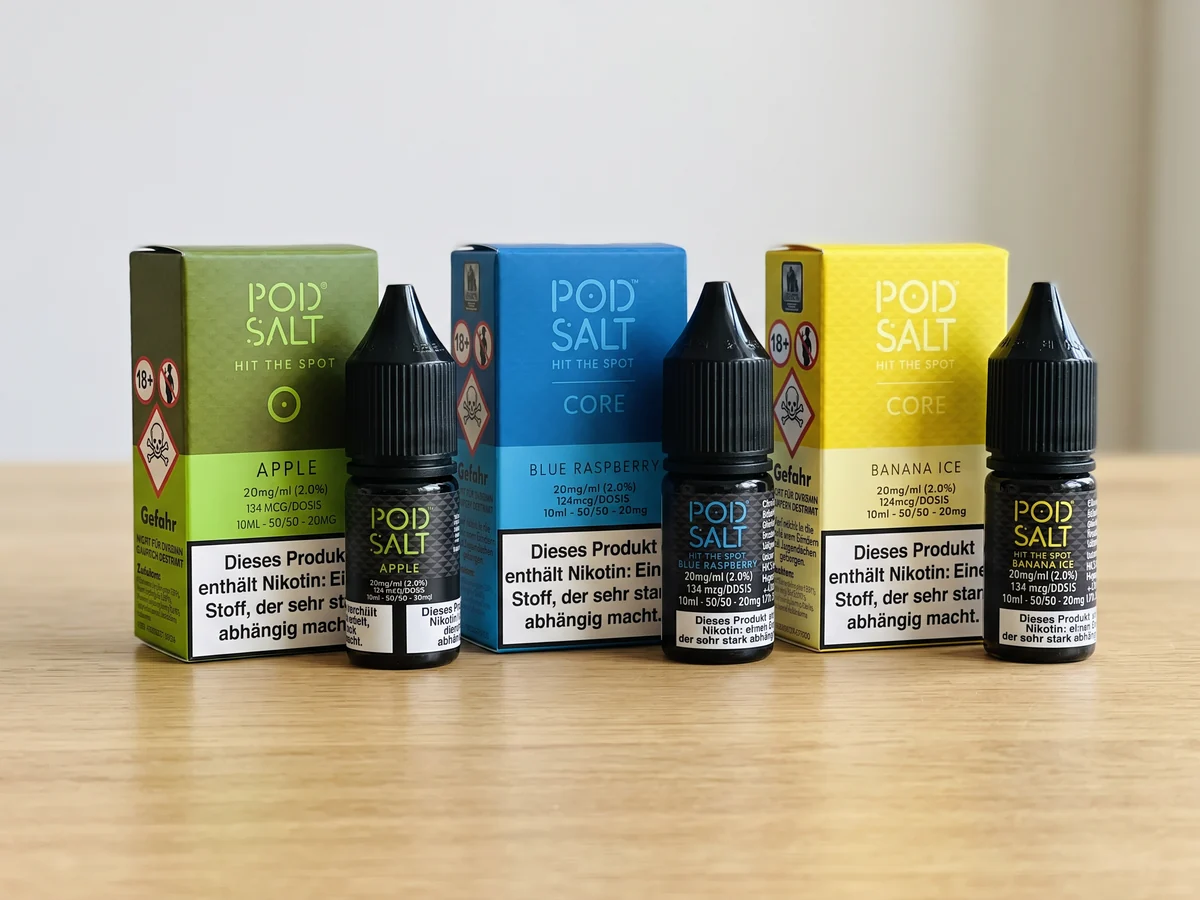
Salt is stated on the bottle and the pack.
| Device | Resistance and power | Type of puff | Usual e-liquid |
|---|---|---|---|
| Pod system, prefilled pod | 0.8 to 1.2 ohms, about 9 to 18 watts | MTL | Nicotine salt, 5 to 20 mg/ml |
| MTL atomiser | from about 1.0 ohm, 10 to 15 watts | MTL | Freebase 6 to 12 mg/ml or nicotine salt |
| Pod or atomiser with open airflow | 0.4 to 0.7 ohms, 15 to 30 watts | RDL | Freebase 3 to 6 mg/ml, nicotine salt around 5 mg/ml |
| Sub-ohm tank on a box mod | below 0.5 ohms, from about 40 watts | DL | Freebase 3 mg/ml, sometimes 6 mg/ml, or nicotine-free |
High-strength nicotine salt does not belong in a sub-ohm atomiser. It vaporises many times more e-liquid per puff, and 20 mg/ml then quickly becomes too much. How MTL, RDL and DL differ is explained in the article MTL or DTL.
You can find the devices under Refillable pod devices, Prefilled pods, Atomisers and Box mods and mod kits.
The bottle says nicotine salt, nic salt or simply salt. The list of ingredients also shows the acid, usually benzoic acid. If none of that is there, it is freebase.
With us, the form of nicotine is part of the product name for salt e-liquids. Prefilled pods are almost always filled with nicotine salt, even if it only says so in small print on the pack. You always read the strength from the mg/ml figure, not from the name of the series.
Shortfills and longfills are nicotine-free. Nicotine is added with a nicotine shot, a 10 ml bottle usually with 20 mg/ml. Shots are available as freebase and as nicotine salt.
The calculation is the same for both: 50 ml of shortfill plus a shot with 20 mg/ml makes 60 ml with around 3.3 mg/ml. The e-liquid calculator works it out exactly.
For mixing: Nicotine shots and Longfills. When this is worthwhile is explained in Ready-made e-liquid or longfill.
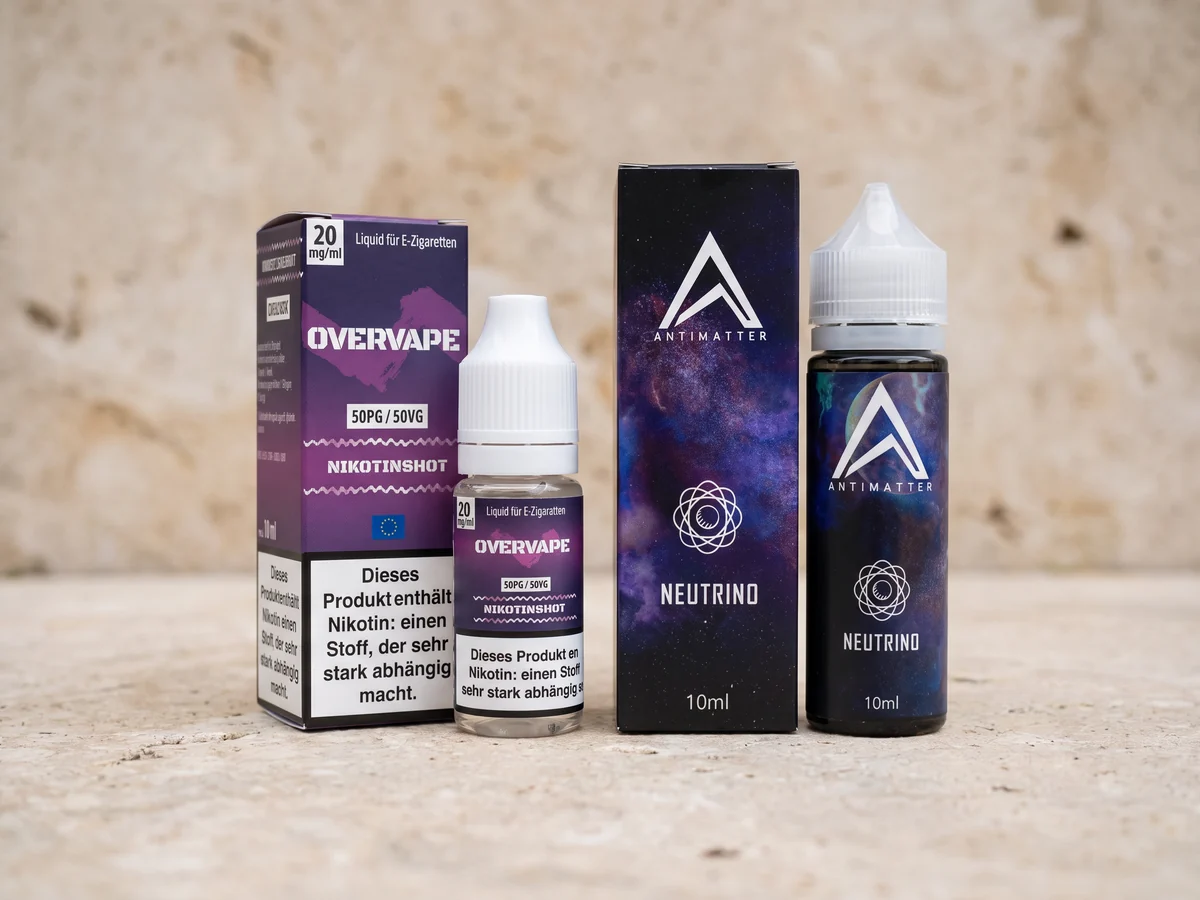
The same rules from the German Tobacco Products Act (Tabakerzeugnisgesetz) and the EU Tobacco Products Directive apply to the sale of nicotine salt and freebase:
That is why e-liquids containing nicotine only come in 10 ml bottles. You can find all e-liquids under E-liquids.
Nic salt is the English short form for nicotine salt. The nicotine is bound to an acid and feels softer in the throat at the same strength.
No. The figure in mg/ml counts the same for both forms. Nicotine salt just scratches the throat less.
It is not intended for that. A sub-ohm atomiser vaporises much more e-liquid per puff, so you use freebase in a low strength there.
Usually 10 or 20 mg/ml, and there are also 5 and 11 mg/ml. More than 20 mg/ml is not permitted in the EU.
Yes, the strengths are calculated proportionally. 5 ml with 20 mg/ml and 5 ml with 10 mg/ml make 10 ml with 15 mg/ml.
The bottle says nicotine salt, nic salt or salt, and the ingredients usually list benzoic acid. If both are missing, it is freebase.

About the author
Philip
Vape veteran
For this article
From the same series
Vape Guides · 6 min
MTL, RDL or DL: ohm, watts, airflow, e-liquid and nicotine strength compared by draw style, and which pod system or tank suits your draw.

Vape Guides · 6 min
Prefilled pod or empty pod: fill volume, nicotine, flavours, effort and running costs compared, plus the 10-ml systems and which system suits you.

Vape Guides · 7 min
Buying a pod system: resistance, battery, fixed or replaceable coil, airflow and draw activation explained, plus which pods and coils fit which device.
Advice & knowledge
Tools
Knowledge